Introduction of Electroplated diamond grinding wheel
Introduction of Electroplated diamond grinding wheel
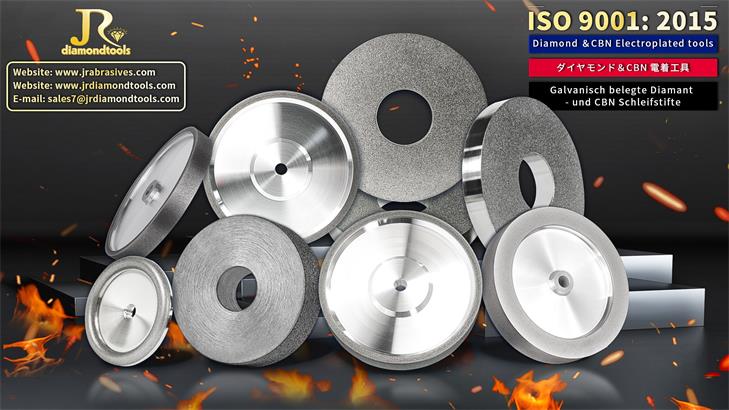
What is Electroplated diamond grinding wheel
Electroplated diamond grinding wheels are a type of cutting tool that is commonly used in manufacturing and fabrication processes. As the name suggests, these grinding wheels are made by electroplating a layer of diamond particles onto the surface of a metallic wheel(steel wheel or aluminium wheel or alloy wheel). This electroplating process creates a highly durable and wear-resistant cutting surface that is capable of cutting through a wide range of materials, including hard metals, ceramics, and glass.
The process of electroplating diamond particles onto a grinding wheel involves several steps. First, a metallic wheel is chosen as the base material. This metallic wheel is typically made of steel, although other metals such as aluminum or brass can also be used. The metallic wheel is then prepared by cleaning it thoroughly and roughening the surface to provide a good bonding surface for the diamond particles.
Once the metallic wheel is prepared, a layer of nickel or another conductive material is applied to the surface. This layer acts as a conductive base layer that allows the diamond particles to be electroplated onto the surface. Next, a layer of diamond particles is applied to the surface of the metallic wheel using an electroplating process.
During the electroplating process, an electric current is applied to the metallic wheel, causing the diamond particles to be deposited onto the surface of the wheel. This process creates a highly durable and wear-resistant cutting surface that is capable of cutting through even the hardest materials.
One of the main advantages of electroplated diamond grinding wheels is their ability to maintain their cutting performance over time. Because the diamond particles are firmly bonded to the surface of the metallic wheel, they are less likely to become dislodged or wear down during use. This means that electroplated diamond grinding wheels can maintain their cutting performance even after extended use, making them ideal for use in high-volume manufacturing and fabrication processes.
Another advantage of electroplated diamond grinding wheels is their versatility. Because they are capable of cutting through a wide range of materials, they can be used in a variety of manufacturing and fabrication processes. They are commonly used in the production of electronic components, automotive parts, and aerospace components, among other applications.
Composition of electroplated diamond grinding wheel
Electroplated diamond grinding wheels are a type of cutting tool that is made by electroplating a layer of diamond particles onto a metallic wheel. The electroplating process involves depositing a layer of diamond particles onto a metal substrate using an electrochemical process, creating a highly durable and wear-resistant cutting surface. The following are the key components that make up electroplated diamond grinding wheels:
Diamond Abrasive Layer: The diamond abrasive layer is the key component of an electroplated diamond grinding wheel. It is the layer of diamond particles that is electroplated onto the metallic wheel, creating a sharp and precise cutting surface. The diamond particles are held in place by a metallic bond that is created during the electroplating process.
Metallic Substrate: The metallic substrate is the base material of the electroplated diamond grinding wheel. It is typically made of steel, aluminum, or other metallic alloys that can withstand high temperatures and pressures. The metallic substrate provides the foundation for the diamond abrasive layer and also acts as a heat sink, dissipating the heat generated during grinding.
Electroplating Layer: The electroplating layer is the layer of metal that is deposited onto the metallic substrate during the electroplating process. The electroplating layer serves as a bonding layer between the metallic substrate and the diamond abrasive layer. The type of metal used for the electroplating layer depends on the application and the type of metallic substrate used.
Diamond Grit Size: The diamond grit size refers to the size of the individual diamond particles that make up the diamond abrasive layer. The grit size determines the coarseness of the cutting surface and the level of precision achieved during grinding. The diamond grit size can range from very fine (less than 100 microns) to very coarse (over 500 microns).
Diamond Concentration: The diamond concentration refers to the amount of diamond particles that are present in the diamond abrasive layer. The diamond concentration is typically expressed as a percentage of the total volume of the diamond abrasive layer. A higher diamond concentration results in a more durable and wear-resistant cutting surface, but also requires more frequent dressing.
The manufacturing process of electroplated diamond grinding wheels.
The first step in the manufacturing process is to select the right type of diamond abrasive. The diamond abrasive is selected based on the material to be ground, the desired surface finish, and the operating parameters of the grinding process. The diamond abrasive can be natural or synthetic, and it is typically available in different grit sizes and shapes.
Once the diamond abrasive is selected, the next step is to prepare the substrate for electroplating. The substrate is typically made of a metallic material, such as steel, and it serves as the base for the diamond abrasive. The substrate is cleaned and degreased to remove any contaminants that may interfere with the electroplating process.
The electroplating process involves depositing a layer of diamond abrasive onto the substrate using an electrolytic bath. The substrate is placed in the bath, and a voltage is applied to the electrodes in the bath. The diamond particles are attracted to the substrate and are deposited onto it, forming a uniform layer. The thickness of the diamond layer depends on the desired grinding performance and can be adjusted by varying the electroplating parameters.
After the electroplating process is complete, the grinding wheel is shaped and finished to the desired size and shape. This is typically done using a diamond abrasive wheel, which is capable of cutting and shaping the diamond layer without damaging it. The grinding wheel is then cleaned and inspected for defects, such as cracks or voids, that may compromise its performance.
Finally, the grinding wheel is mounted onto a grinding machine and is ready to be used for precision grinding and shaping of hard materials. The electroplated diamond grinding wheel provides a high level of precision, durability, and performance, making it an ideal choice for various industrial applications.
Features of electroplated diamond grinding wheel
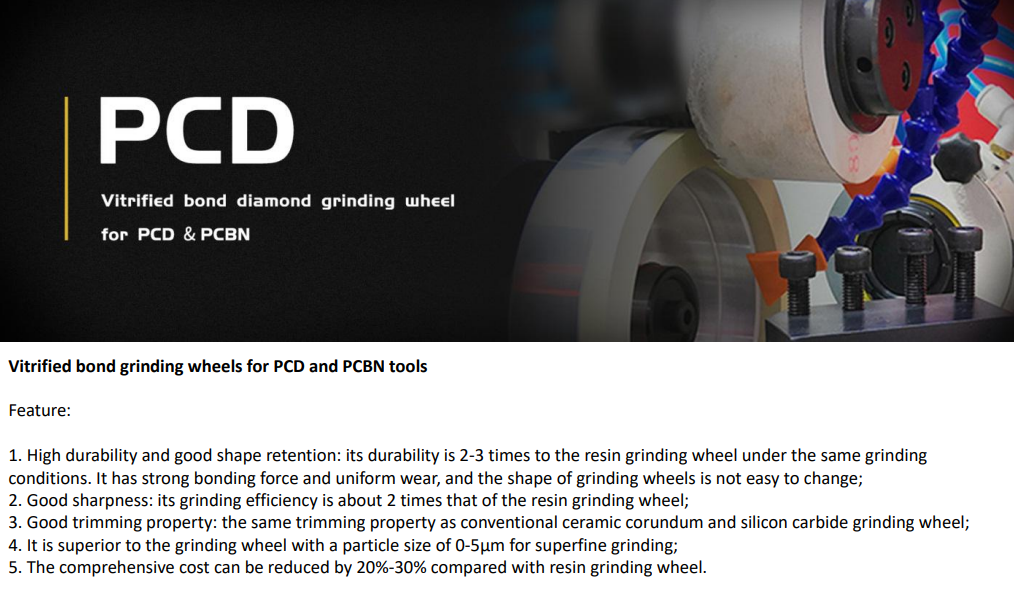
Electroplated diamond grinding wheels are a type of cutting tool that offers a number of unique features and benefits. These wheels are made by electroplating diamond particles onto a metallic wheel, creating a highly durable and wear-resistant cutting surface. The following are some of the key features of electroplated grinding wheels:
Precision Cutting: One of the most notable features of electroplated grinding wheels is their ability to provide precise and accurate cutting. The diamond abrasive layer on the wheel creates a sharp and precise cutting surface that can be used for a wide range of cutting applications. This makes electroplated grinding wheels ideal for precision grinding, cutting, and finishing applications.
Longevity and Durability: Another important feature of electroplated grinding wheels is their longevity and durability. The diamond particles in the abrasive layer are held in place by a strong metallic bond, which makes the wheel highly resistant to wear and tear. As a result, electroplated grinding wheels can last longer than other types of grinding wheels, reducing the need for frequent replacements.
High Efficiency: Electroplated grinding wheels are also known for their high efficiency. The sharp diamond particles on the surface of the wheel provide a fast and efficient cutting action, which can help to reduce grinding time and increase productivity. This makes electroplated grinding wheels ideal for use in high-volume production environments.
Versatility: Electroplated grinding wheels are highly versatile and can be used for a wide range of cutting and grinding applications. They can be used to cut and grind a variety of materials, including metals, ceramics, glass, and composites. This versatility makes electroplated grinding wheels a valuable tool for a range of industries, from aerospace to automotive to medical.
Consistency and Quality: Finally, electroplated grinding wheels are known for their consistency and quality. The electroplating process creates a uniform layer of diamond particles on the surface of the wheel, ensuring a consistent and high-quality cutting surface. This consistency and quality can help to improve the accuracy and precision of cutting and grinding applications.
Application of electroplated diamond grinding wheel
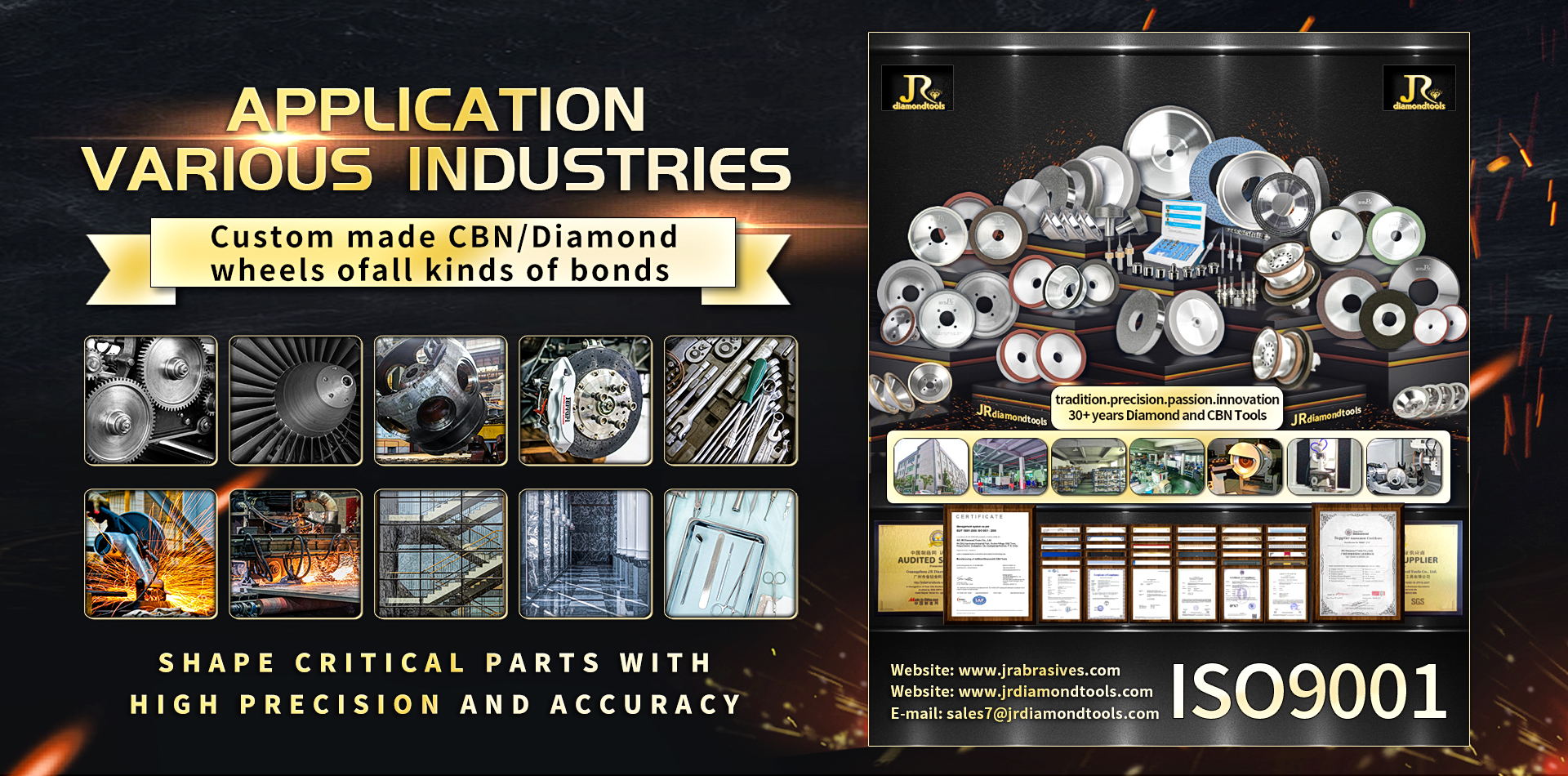
Electroplated diamond grinding wheels are a type of cutting tool that finds extensive use in various industries and applications. The wheels are made by electroplating a layer of diamond particles onto a metallic wheel, creating a highly durable and wear-resistant cutting surface. The following are some of the key applications of electroplated diamond grinding wheels:
Precision grinding: Electroplated diamond grinding wheels are commonly used for precision grinding applications, such as the shaping and grinding of hard and brittle materials. These materials include glass, ceramics, composites, and other hard-to-machine materials. The diamond abrasive layer on the wheel provides a sharp and precise cutting edge that can maintain its performance over extended periods of use.
Metalworking: Electroplated diamond grinding wheels are also used in metalworking applications, such as grinding and shaping hard metals like tungsten carbide and hardened tool steels. These materials are difficult to machine using conventional grinding methods, and the use of electroplated diamond grinding wheels provides a cost-effective and efficient solution.
Semiconductor industry: Electroplated diamond grinding wheels are used extensively in the semiconductor industry for cutting and shaping various semiconductor materials, including silicon, gallium arsenide, and other hard and brittle materials. The use of diamond abrasive wheels in the semiconductor industry ensures high precision and consistency, which is crucial for the production of high-quality semiconductor components.
Aerospace industry: The aerospace industry also relies on electroplated diamond grinding wheels for precision grinding and shaping of various components, including turbine blades and engine components. The use of these wheels ensures high precision and accuracy, which is crucial for the reliable performance of aircraft engines.
Medical industry: Electroplated diamond grinding wheels are used in the medical industry for grinding and shaping various medical components, such as implants and prosthetics. The use of these wheels ensures high precision and accuracy, which is essential for the proper functioning of medical devices.
Jewelry industry: The jewelry industry uses electroplated diamond grinding wheels for cutting and shaping various precious and semi-precious stones, including diamonds, sapphires, and emeralds. The use of these wheels ensures high precision and consistency in the cutting and shaping of these materials, resulting in high-quality finished products.
In conclusion, electroplated diamond grinding tools are an essential tool for various industries that require high precision and efficiency in their grinding processes. These tools provide a unique combination of precision, efficiency, and tool life, making them an ideal choice for manufacturers who need to produce high-quality components quickly and cost-effectively.
Superhard material
Classification of diamond grinding wheel
Related Article